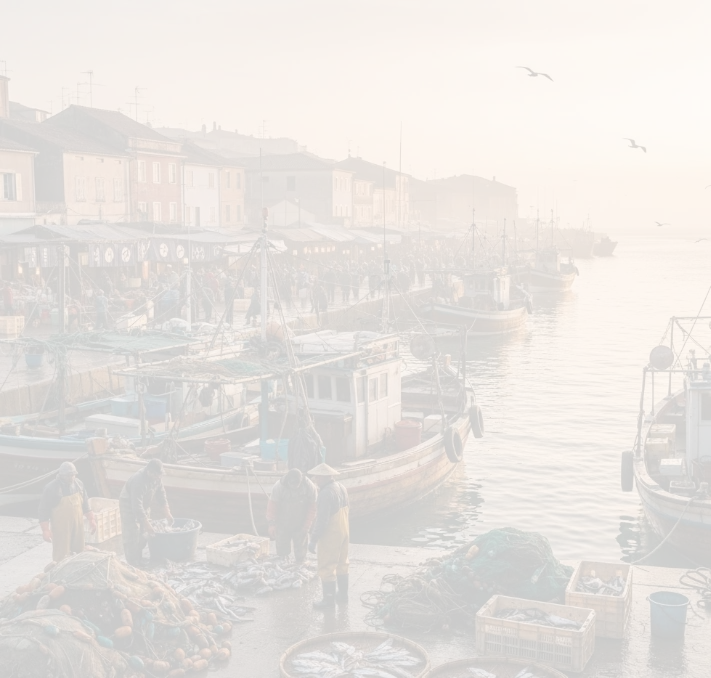
鹿児島県は、錦江湾の穏やかな内湾から東シナ海に面した磯場まで、変化に富んだ豊かな海域が広がり、「海の王様」と称されるマダイの好漁場を数多く擁しています。その美しさと力強い引きは多くの釣り人を魅了し、年間を通じて様々なポイントでその姿を追うことが可能です。本記事では、桜島周辺の地続きのポイントや公設釣り場、潮通しの良い若尊鼻や火崎灯台周辺の磯場、さらには加治木港や二川漁港といったアクセスしやすい港湾部まで、鹿児島県内でマダイが狙える主要な釣りポイントを網羅的にご紹介します。フカセ釣りやカゴ釣りといった伝統的な手法に加え、ショアタイラバ、ショアジギング、ブッコミ釣りなど、多様なアプローチが有効です。特に春の「乗っ込み」期には大型の期待が高まり、秋には数釣りが楽しめるなど、季節ごとのマダイの動向を把握することが釣果への鍵となります。各ポイントの特性、推奨される釣り方、狙える時期、そして安全対策まで、詳細かつ実践的な情報を提供し、初心者からベテランまで、皆様の記憶に残る一尾との出会いをサポートいたします。
桜島
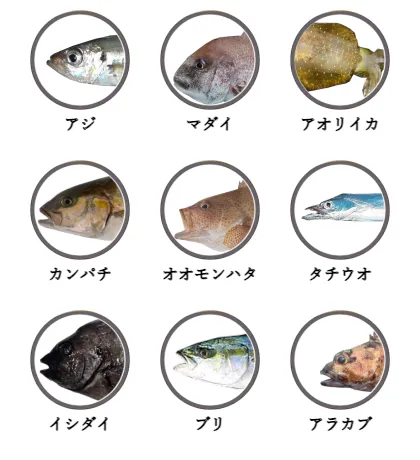
鹿児島市から地続きでアクセス可能な桜島は、多様な魚種が狙える魅力的な釣り場です。特に「海の王様」マダイは特筆すべきターゲット。観音崎などの地磯でのフカセ釣りや、溶岩なぎさ遊歩道周辺でのカゴ釣り、赤水漁港や避難港シリーズ、桜島海づり公園など、季節や時間帯、釣り方に合わせて様々なポイントでマダイが狙えます。避難港12番はマダイの越冬場所としても知られ、夜釣りで実績を上げる避難港15番も人気です。他にも、ルアーでブリやカンパチなどの青物、エギングでアオリイカ、磯や堤防ではハタ類などのロックフィッシュも豊富。ファミリー向けの桜島海づり公園ではレンタルも充実しており、初心者からベテランまで誰もが楽しめる釣りの楽園です。
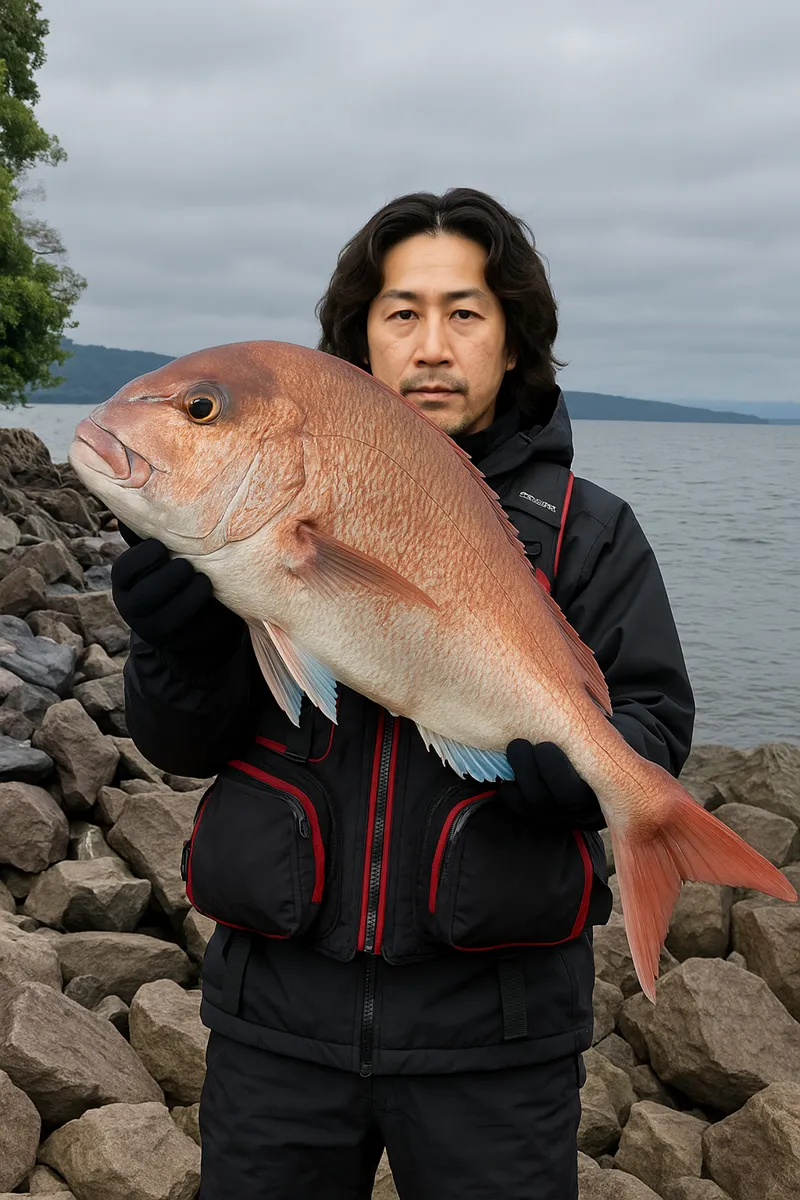
若尊鼻
若尊鼻(鹿児島県霧島市)は潮通しが良く遠投で大物が狙える磯ポイント。駐車スペースから少し歩くが魚影が濃くマダイの好ポイントとして定評がある。カゴ釣りで底〜やや上のタナを探るのが基本で、仕掛けは太めのハリスと強めのロッドを用意。春ののっこみ(3〜5月)は大型、秋(9〜11月)は産卵後の回復で数釣りが期待できる。タイラバのキャストやゆっくり巻くルアーも有効。根掛かりや磯際の地形変化に注意し、落としダモやライフジャケットを携行、早朝や夕方の潮変わりを狙って周囲への配慮を忘れずに釣りを楽しもう。
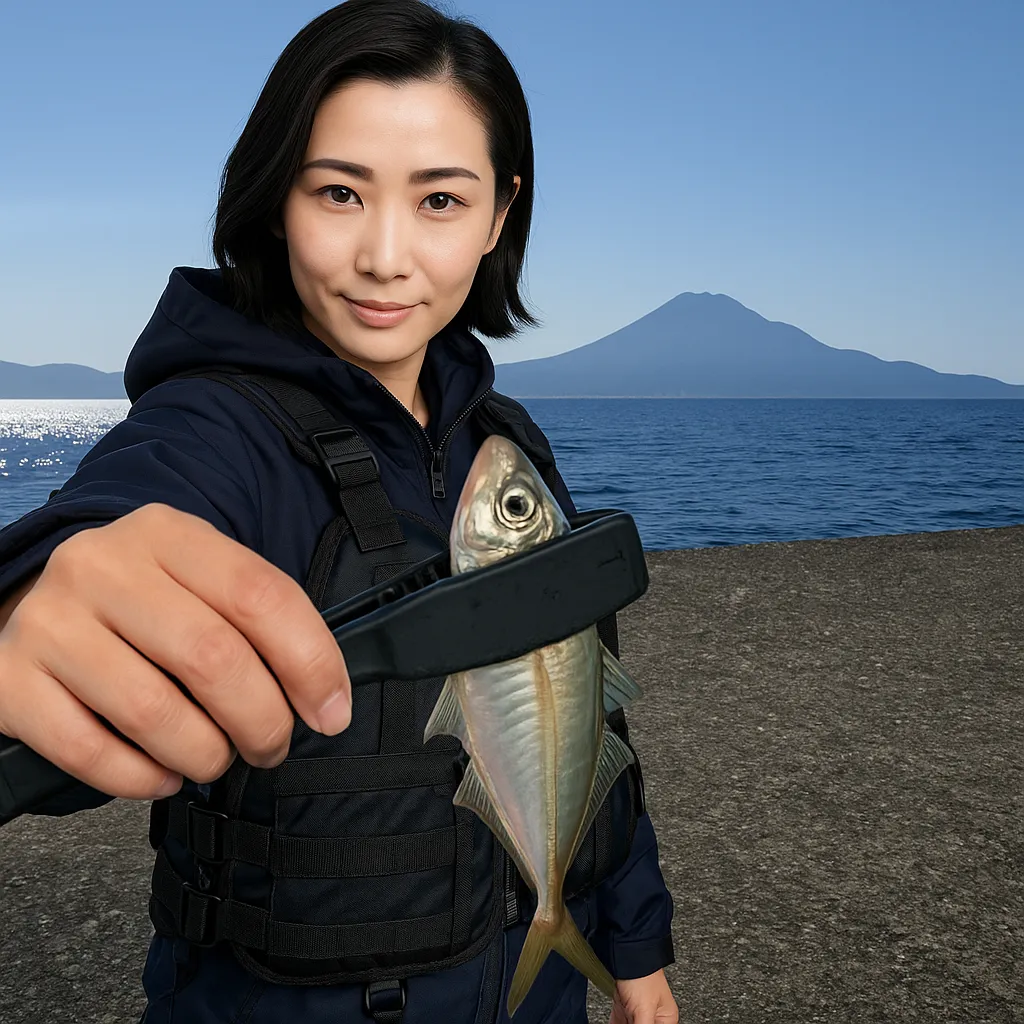
加治木港
加治木港は、チヌやスズキ、ヒラメなど多彩な魚種が狙える港湾で、特にマダイ釣りの好ポイントとして知られています。ブッコミ釣りでは大型のマダイが期待でき、車を横付けできる網掛川沿いの堤防は水深約15mと手軽に楽しめる場所です。また、少し歩きますがパイプライン側も穴場的なポイント。画像奥の白灯台付近は水深20m前後と深く潮の流れも良いため、良型マダイ狙いに最適ですが、人気が高く競争率も高いです。チャリコが多いものの、粘り強く狙えば良型が混じることも。ちょい投げでキスを狙いつつ、マダイのアタリを待つ釣り方もおすすめです。
火崎灯台周辺
鹿児島県肝付町に位置する火崎灯台周辺は、磯釣りの好ポイントとして知られています。特にマダイ釣りは、春のシーズンがおすすめです。水深30〜150mの潮通しの良いエリアで、フカセ釣りやカゴ釣りで良型のマダイを狙うことができます。通常1〜2kg程度のサイズが期待できますが、大物も夢ではありません。春から秋にかけて安定した釣果が見込めるほか、アジ、イサキ、クロ、イシダイ、アオリイカなど多様な魚種も豊富に生息しており、マダイ釣りとともに他の魚種も楽しめる魅力的な釣り場です。効果的な餌の準備と、潮流に合わせた仕掛け選びが釣果アップの鍵となるでしょう。
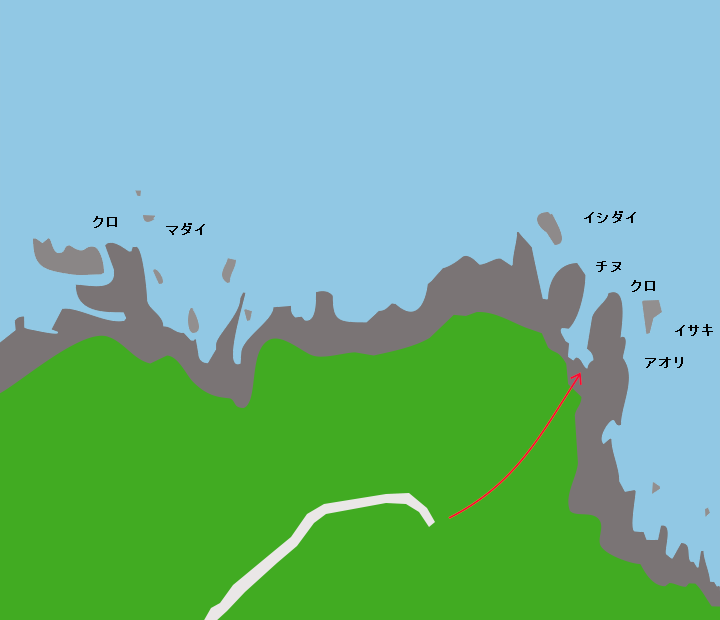
沖小島
沖小島(鹿児島市)は潮通しが良くマダイの実績が高い磯釣りポイントで、特に5月が好期とされています。主にフカセ釣りで狙い、足場が低いため満潮時は釣座を後退させる必要があります。足元から約20m先は浅瀬で、その先は急深かつ沈み瀬が点在するためライン強度や仕掛けの管理に注意し、活発な時間帯を狙うと良型の手応えが期待できます。
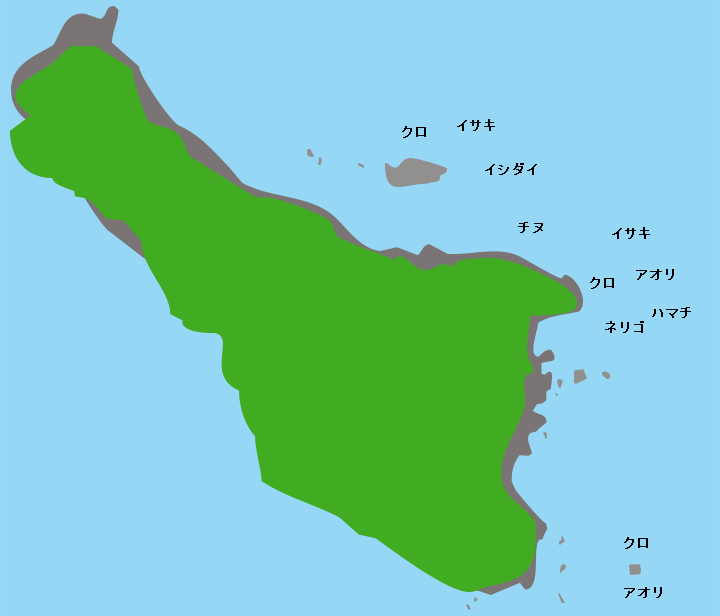
二川漁港
二川漁港はマダイの好ポイントで、特に春は産卵で浅場に寄り荒食いが期待できる。狙いは水深約10m前後の沖に突き出した堤防先端や外向きの釣座、潮通しの良い場所。釣法はショアタイラバやフォール主体のショアジギングが有効で、オキアミを使ったカゴ釣りや小アジの泳がせも実績あり。港内にはアジやイワシ等が回りやすく、朝夕のマズメや潮流とタイミングが合えば高確率でヒットする。ランディング用タモや余裕のあるPEライン、ドラグ調整など大物対策をして出掛けたい、初心者から上級者まで楽しめる釣り場だ。季節や潮位でポイントの有利不利が変わるため、事前に潮汐表や地元の釣果情報を確認すると釣果アップに繋がる。
浮津港
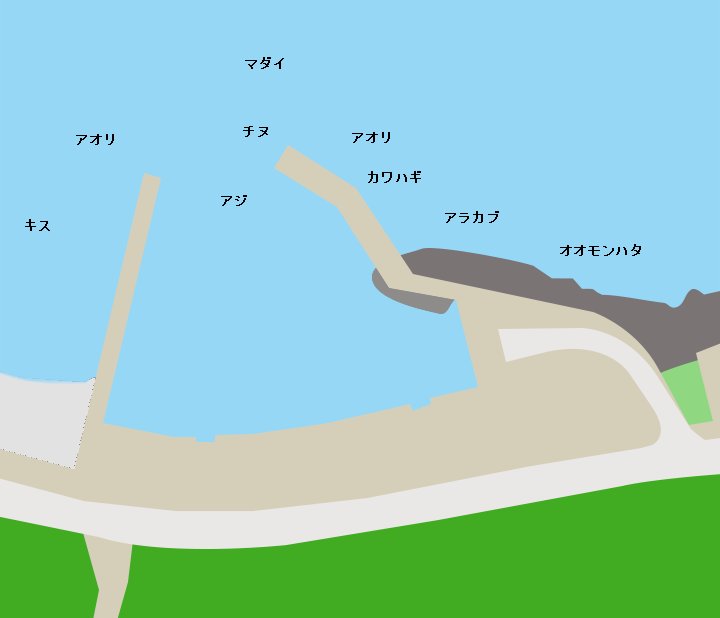
浮津港(鹿児島県垂水市二川)は堤防からウキフカセや遠投カゴでマダイが狙える実績の高い港ポイント。水深があり海底付近を重点的に探ると効果的で、33cm前後の釣果が多く、夜の遠投では40cm級、春〜初夏の乗っ込み期には60cm超の大物も期待できる。駐車場・トイレ完備だが火山灰や潮位変化に注意して釣行を。
福山港
Understanding Punctuation: A Comprehensive GuidePunctuation marks are crucial components of written language、 acting as visual cues that help readers understand the structure、 meaning、 and rhythm of text. Much like silent signals in music、 they guide our interpretation、 clarify relationships between ideas、 and even convey tone. Without proper punctuation、 sentences can become ambiguous、 difficult to read、 and prone to misinterpretation. 1. The Period ( . )The period、 also known as a full stop、 is perhaps the most fundamental punctuation mark. It signals the end of a declarative sentence、 an imperative sentence、 or a statement. Declarative Sentences: "The sun rises in the east." Imperative Sentences: "Please close the door." (Commands are often followed by a period unless the command conveys strong emotion、 in which case an exclamation mark is used.) Abbreviations: "Mr. Smith arrived at 8 a.m. on Jan. 1st." Decimal Points: "The price is $19.99."Common Mistake: Using a comma splice instead of a period (or semicolon or conjunction) to separate independent clauses. Incorrect: "I went to the store、 I bought some milk." Correct: "I went to the store. I bought some milk." 2. The Comma ( 、 )The comma is a versatile mark with several distinct uses、 primarily to indicate a brief pause or to separate elements within a sentence. Separating Items in a List: Use commas to separate three or more items in a series. A comma before the final conjunction (known as an Oxford comma or serial comma) is optional but often recommended for clarity. "I need to buy apples、 bananas、 and oranges." (Oxford comma used) "He enjoys hiking、 biking and swimming." (No Oxford comma) Separating Independent Clauses: Use a comma before a coordinating conjunction (for、 and、 nor、 but、 or、 yet、 so - FANBOYS) that joins two independent clauses. "She wanted to go to the party、 but she was too tired." Separating Dependent Clauses/Phrases from Independent Clauses: Introductory Elements: "After a long day、 I enjoy relaxing at home." Non-essential Information (Parenthetical Elements): "My brother、 who lives in London、 is visiting next week." Direct Address: "Sarah、 could you please help me?" Dates and Addresses: "On December 25、 2024、 we will celebrate Christmas." "Send the letter to 123 Main Street、 Anytown、 USA."Common Mistake: Omitting necessary commas、 especially after introductory phrases or before coordinating conjunctions connecting independent clauses. Overusing commas where pauses occur in speech but aren't grammatically required. 3. The Question Mark ( ? )The question mark indicates that a sentence is a direct question. "Are you coming to the meeting?" "What is your favorite color?"Common Mistake: Using a question mark with an indirect question. Incorrect: "He asked if I was going to the party?" Correct: "He asked if I was going to the party." 4. The Exclamation Mark ( ! )The exclamation mark (or exclamation point) conveys strong emotion、 emphasis、 or a forceful command. "What a beautiful day!" "Help!" "Stop right there!"Common Mistake: Overusing exclamation marks、 which can diminish their impact and make writing seem overly dramatic or immature. Generally、 one exclamation mark is sufficient. 5. The Semicolon ( ; )The semicolon is a sophisticated punctuation mark that indicates a pause stronger than a comma but weaker than a period. Its primary uses are: Joining Related Independent Clauses: Connects two closely related independent clauses that are not joined by a coordinating conjunction. "The rain poured down; the streets were quickly flooded." Separating Items in a Complex List: Used when items in a list already contain commas. "We invited John、 a lawyer; Sarah、 a doctor; and Mark、 a teacher."Common Mistake: Using a semicolon when a comma or period would be more appropriate、 or using it to join unrelated clauses. 6. The Colon ( : )The colon introduces a list、 an explanation、 an example、 or a quotation、 and typically follows an independent clause. Introducing a List: "I need to buy the following: milk、 bread、 and eggs." Introducing an Explanation or Definition: "She had only one goal: to finish the marathon." Introducing a Quotation (especially a long one): "The professor stated: 'Learning punctuation is essential for clear communication.'" Time: "It's 3:30 p.m."Common Mistake: Using a colon after a verb or preposition if it directly introduces the list/explanation and doesn't follow a complete sentence. Incorrect: "My favorite colors are: blue、 green、 and red." Correct: "My favorite colors are blue、 green、 and red." OR "I have several favorite colors: blue、 green、 and red." 7. The Apostrophe ( ' )The apostrophe has two main functions: indicating possession and forming contractions. Possession: Singular Nouns: Add an apostrophe and 's'. "The dog's bone、" "James's car" (or "James' car" is also accepted、 especially for names ending in 's' where adding another 's' makes pronunciation awkward). Plural Nouns Ending in 's': Add only an apostrophe. "The students' books、" "The cats' toys." Irregular Plural Nouns (not ending in 's'): Add an apostrophe and 's'. "The children's toys、" "The men's room." Contractions: Replaces omitted letters in a word combination. "It's" (it is)、 "Don't" (do not)、 "They're" (they are).Common Mistake: Confusing "its" (possessive pronoun) with "it's" (contraction of "it is" or "it has"). Similarly、 "their" vs. "they're" vs. "there." Using apostrophes to form plural nouns (e.g.、 "apple's" for multiple apples). 8. Quotation Marks ( " " ) or ( ' ' )Quotation marks、 also known as inverted commas、 primarily indicate direct speech or a direct quote. Single quotation marks (' ') are sometimes used for quotes within quotes、 or in British English as the primary quotation mark. Direct Speech: "She said、 'I'm going to the store.'" Direct Quotes: According to the report、 "The economic outlook remains uncertain." Titles of Short Works: Poems、 articles、 short stories、 songs. "Have you read 'The Raven' by Edgar Allan Poe?" Highlighting Specific Words or Phrases (often for irony or to indicate non-standard use): He claimed to be a "genius、" but he couldn't even spell his own name.Placement of Other Punctuation: Periods and Commas: Typically go inside the closing quotation mark in American English. "I heard him say、 'I'll be there soon.'" Question Marks and Exclamation Marks: Go inside if they are part of the quoted material、 outside if they apply to the entire sentence. He asked、 "Are you ready?" Did she really say、 "I'm leaving"?Common Mistake: Forgetting to close quotation marks、 or misplacing other punctuation marks relative to them. 9. Parentheses ( ( ) )Parentheses enclose supplementary material that clarifies、 explains、 or adds an aside to the main text. The information inside is less integral than what would be set off by commas or dashes. "The results (see Table 1) confirm our hypothesis." "She visited Paris (her favorite city) last summer."Common Mistake: Using parentheses for essential information that should be integrated into the sentence. 10. Brackets ( [ ] )Brackets are used to enclose editorial comments、 explanations、 or modifications within a quoted passage、 indicating that the enclosed material was not part of the original text. "He stated、 'I will never return to that place [his hometown].'" (Clarifying what "that place" refers to) "The report concluded、 'The data clearly show a trend [emphasis added].'"Common Mistake: Confusing brackets with parentheses. Brackets have a more specific use for modifying quoted material. 11. The Hyphen ( - )The hyphen connects words or parts of words. It is distinct from the longer dash. Compound Modifiers: When two or more words act as a single adjective before a noun. "A well-known author、" "a 20-year-old man、" "an on-site meeting." Numbers: "Twenty-one to ninety-nine." Prefixes/Suffixes: Sometimes used with prefixes like "ex-"、 "self-"、 "all-"、 or to avoid awkward letter combinations. "Ex-wife、" "self-aware、" "re-enter." Word Division: To break a word at the end of a line (遵循音節劃分).Common Mistake: Using hyphens inconsistently、 or mistaking them for dashes. Not using a hyphen when a compound modifier precedes a noun (e.g.、 "a good looking man" vs. "a good-looking man"). 12. The Dash ( – or — )There are two main types of dashes: the en dash (–) and the em dash (—). En Dash (–): Slightly longer than a hyphen. Ranges: Indicates a range of numbers、 dates、 or pages. "Pages 10–20、" "1990–2000." Connections/Relationships: "New York–London flight、" "mother–daughter bond." Em Dash (—): Longer than an en dash. Used to indicate a sudden break in thought、 an emphatic pause、 or to set off parenthetical information with more emphasis than parentheses or commas. "I saw him yesterday—he looked terrible—and I barely recognized him." "The answer is simple—honesty." Can replace parentheses for parenthetical information、 giving it more emphasis: "My dog—a fluffy golden retriever—loves to play."Common Mistake: Using a hyphen where an en dash or em dash is required、 or using dashes excessively. 13. Ellipsis ( ... )An ellipsis、 consisting of three periods、 indicates omitted words、 phrases、 or sentences from a quoted passage. "The report stated、 'The project was successful...despite initial challenges.'" If the omission occurs at the end of a sentence、 a fourth period is often added for the sentence-ending punctuation.Common Mistake: Using fewer or more than three periods、 or using it informally in academic writing without proper context. ConclusionMastering punctuation is a continuous process that significantly enhances the clarity、 precision、 and impact of your writing. Each mark serves a specific purpose、 contributing to the overall coherence and readability of text. By understanding and correctly
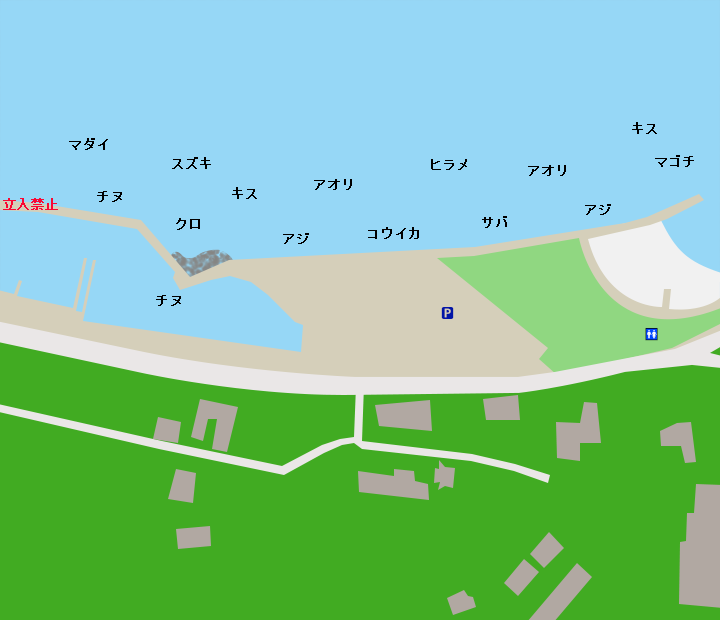
桜島海づり公園
桜島海づり公園は鹿児島市桜島の公設海釣り施設で、ウキ釣りで中型のマダイが狙える人気ポイントです。足場や安全設備が整い、駐車場・トイレ完備、釣具レンタルや餌販売もあるため家族連れや初心者にも最適。水深のある場所を探しエビ類などでタナを合わせると効果的で、手頃な利用料金で短時間から気軽に楽しめます。ルールを守り安全第一で挑みましょう。
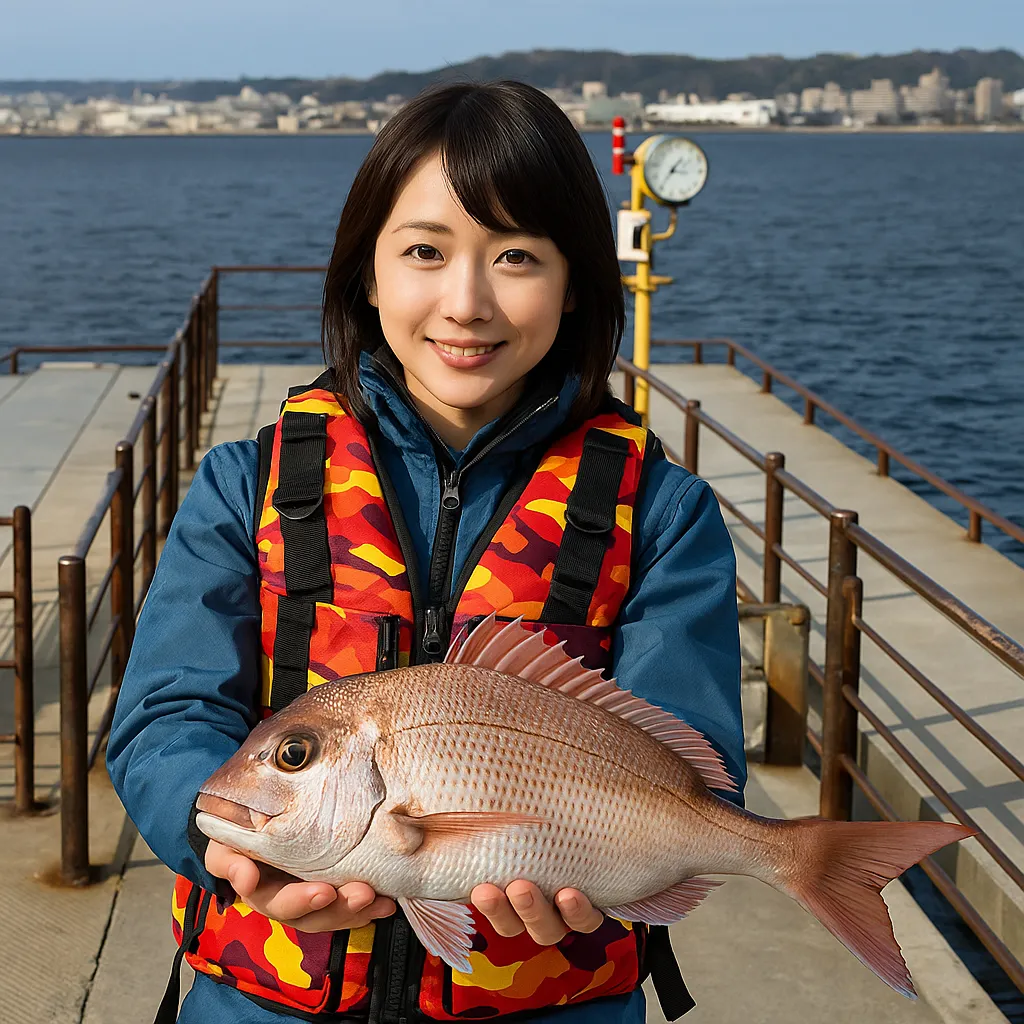
鹿児島木材港
鹿児島木材港は鹿児島市内の堤防や波止からマダイが狙える実績ポイントです。ヘリポート前の東向き岸壁や一文字堤防側が好ポイントで、遠投カゴ釣りで約60m沖を狙うのが定番。潮流の速い時や夜釣りはブッコミも有効で、春〜初夏の乗っ込み期には良型が期待できます。北側の角付近は上げ潮・下げ潮でチダイの回遊があり、夏季はサビキで小ダイやアジが釣れることも。潮回りや最新の釣果情報を確認して仕掛けを調整し、安全対策を万全に釣行してください。
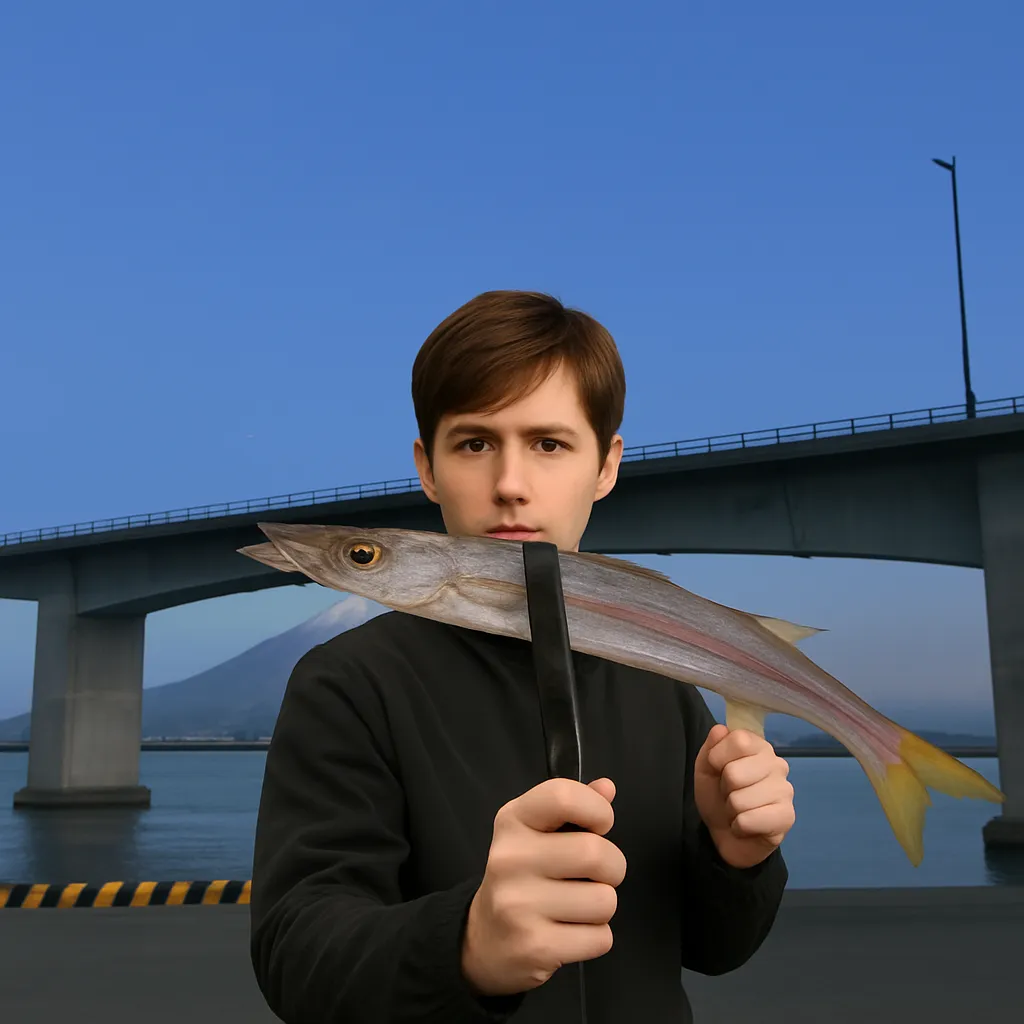
長崎鼻
鹿児島県指宿市にある長崎鼻は、マダイ釣りが魅力の地磯です。フカセ釣りやカゴ釣りが有効で、特に水深が浅いため遠投が釣果のカギとなります。春ののっこみ期には大型が、秋には数釣りが期待できるため、マダイ狙いには最適な時期を見極めましょう。初心者から経験者まで、美しい景観の中で多様な魚種が狙える人気ポイントとして知られ、駐車場やトイレといった設備も完備されており、安心して釣りを楽しめます。
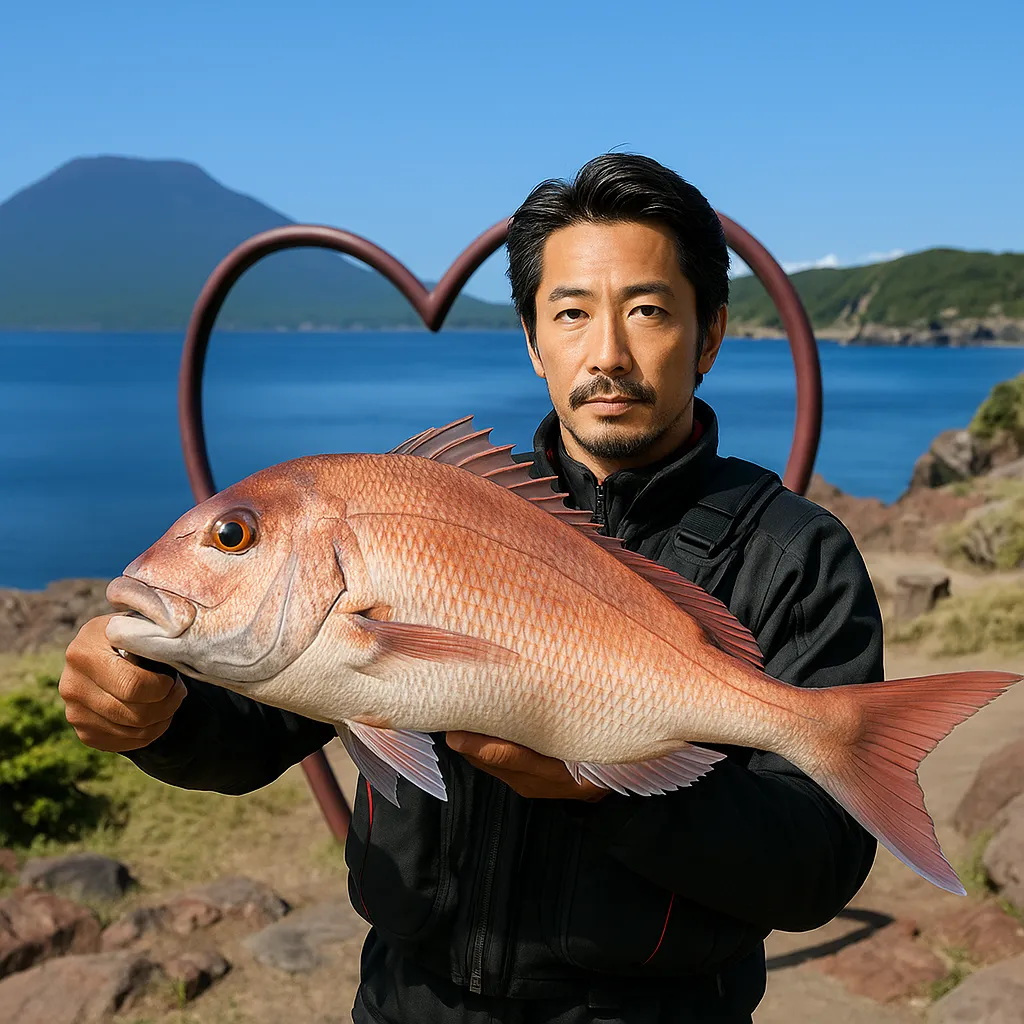
網代鼻
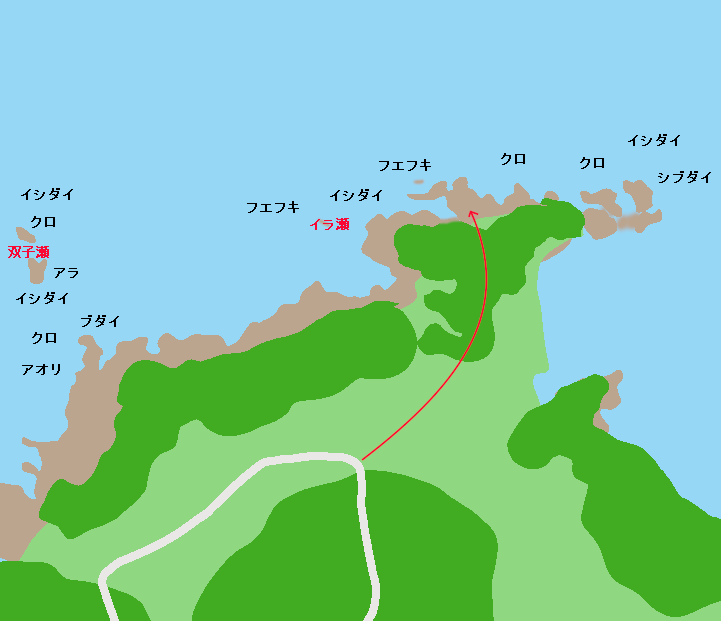
鹿児島県南さつま市にある地磯「網代鼻(あじろばな)」は、マダイ釣りの実績があるベテラン向けのポイントです。カゴ釣りやフカセ釣りはもちろん、ルアーフィッシング(メタルジグやミノー)でもマダイを狙うことができます。潮通しの良い砂礫と岩礁が混ざり合う場所がマダイを狙う好ポイントとされており、良型の期待も高まります。マダイの他にもイサキ、クロ、シブダイ、イシダイなど豊富な魚種が魅力。特にイサキやシブダイは夜釣りの好ターゲットです。ただし、足場は決して良くなく、満潮時には水没する箇所もあるため、潮周りを確認し、安全には十分配慮して釣りを楽しみましょう。
羽島崎
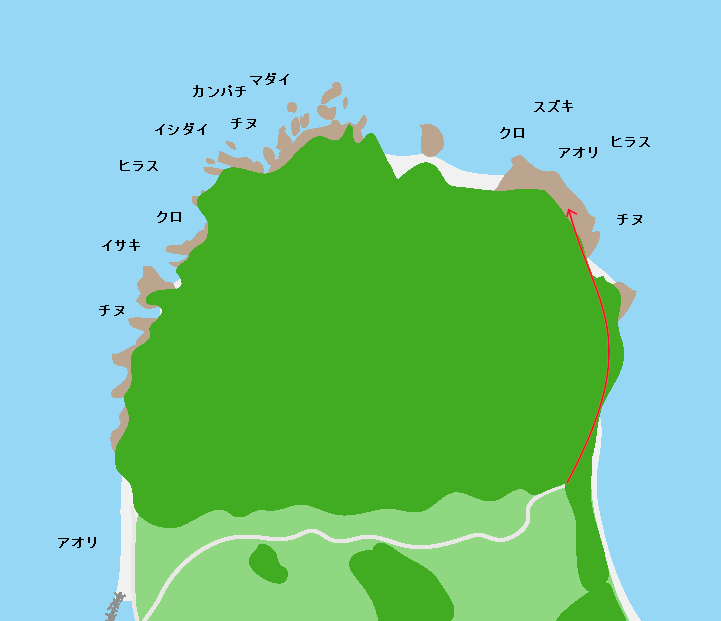
いちき串木野市の羽島崎は、駐車場から歩く地磯ながら大物が狙える好ポイント。マダイは青物やヒラスズキ、クエと並んで狙え、ショアジギングではスローに沈めるメタルジグや小型タングステンジグ、ショアタイラバも有効。エサ釣りなら重めのコマセカゴで遠投しオキアミを同調させると春の接岸時に高確率でヒットする。足場は変化に富み根掛かりも多いので根掛かり対策とライフジャケット着用を推奨。潮通しが良く春〜初夏は特に期待でき、朝夕の時合いを狙うと確率が上がる。近隣は風や波の影響を受けやすいので天候確認を忘れずに。目安としてショアラバは40〜80g、メタルジグは30〜60g、カゴは30号前後を目安に深場をしっかり攻めたい。
黒之瀬戸大橋周辺
鹿児島県出水郡長島町に位置する黒之瀬戸大橋周辺は、急流で知られる好漁場であり、マダイ狙いの魅力的な釣りポイントです。年間を通してマダイが期待でき、陸っぱりからはカゴ釣りやフカセ釣りが有効とされています。速い潮の流れを攻略するため、仕掛けやオモリの選択、遠投性能のあるタックル選びが釣果を左右します。撒き餌でマダイを寄せ、回遊ルートに仕掛けを同調させるのがコツ。アジ、イサキ、チヌなど多様な魚種も狙え、秋から初冬にはブリなどの大型青物の回遊も期待できます。道の駅「黒之瀬戸だんだん市場」にトイレや駐車場もあり、アクセスも便利。安全のため、ライフジャケットは必ず着用し、事前の情報収集をしっかり行いましょう。
獅子島
鹿児島県出水郡長島町に位置する獅子島は、多彩な魚種が狙える魅力的な釣り場です。特に「マダイ」は、フカセ釣りやルアーフィッシングで狙うことができます。磯場では、潮通しの良いポイントでフカセ釣りを展開すれば、良型のマダイが期待できます。また、渡船を利用してタグイ崎へ足を運べば、マダイ狙いのフカセ釣りの好ポイントとして知られています。ルアーでのマダイ狙いも可能で、シーバスロッドにミノーやブレードベイトをセットして狙うことができます。ハリ掛かり後のマダイの強烈な引きに対応できるよう、ドラグ調整は念入りに行いましょう。その他、幣串漁港や立石港ではアジやアオリイカ、チヌなども狙え、幅広い釣りが楽しめるでしょう。
甑島
甑島は上甑・中甑・下甑の三島からなり、黒潮の影響でマダイ好適。水深30〜150mの砂礫と岩礁が混在し、潮の速い瀬で良型が狙える。阿久根旧港や串木野・川内からの遊漁船でアクセスし、射手崎、弁慶島、ナポレオン岩など実績ポイントへ案内される。船釣りが主流だが、里港や小牟田漁港の堤防や渡船で入る磯釣りでも型と数が期待でき、レンタルや初心者向けサービスもあり気軽に挑戦できる。春と秋が好シーズンで、潮位と潮流を見極めることが釣果のカギ。底物の大型イシダイやアラ狙いの船も出るため、複数の釣り方が楽しめ、里港は足場・トイレが整いファミリーにもおすすめ。景勝地の景色と合わせて釣行を楽しめる。海の幸も魅力。
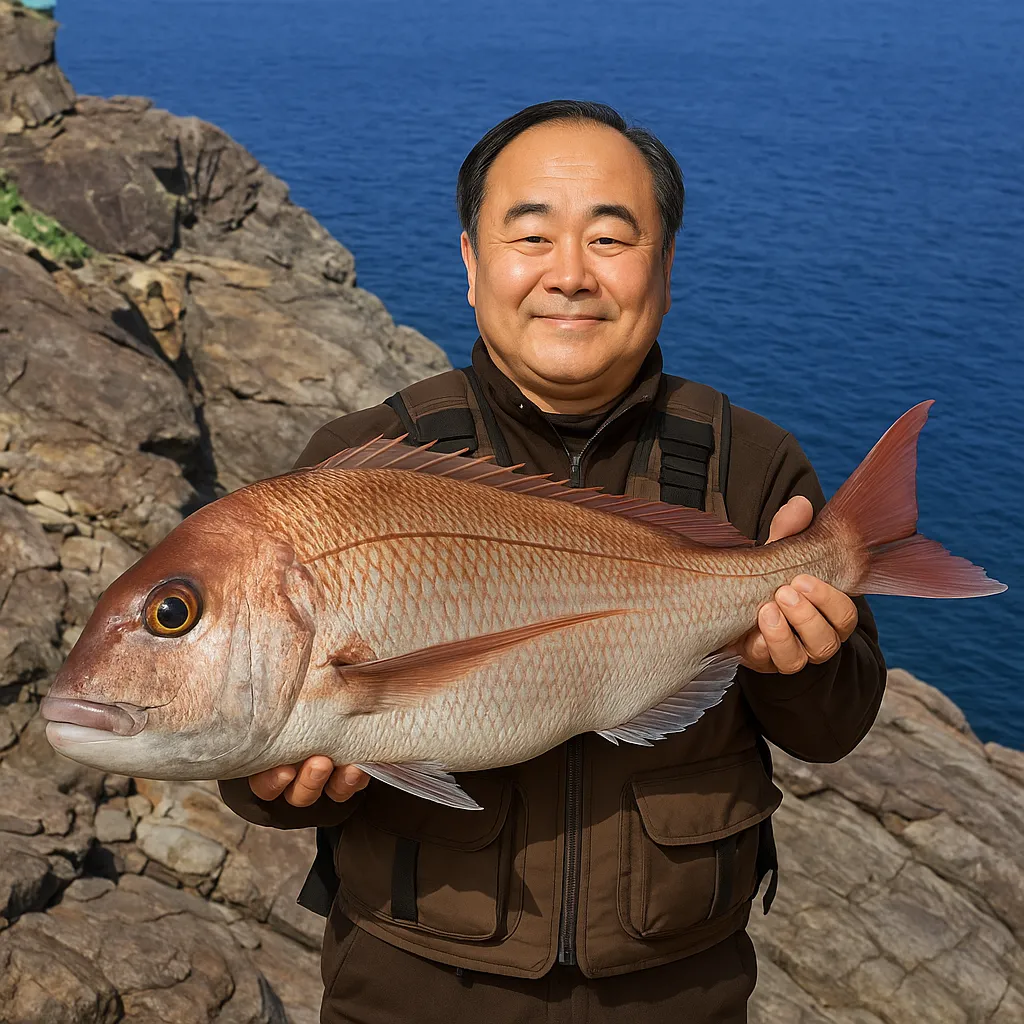
鷹島
鷹島は潮通しが良い地磯で、マダイの好ポイントとして知られています。特に3月下旬〜4月は産卵を控えた良型(60cm以上、稀に80cm近く)が接岸し、フカセ釣りで大型を狙えます。撒き餌は専用ブレンド、付け餌はオキアミ系や練り餌が有効で、干潮に向かう時間帯にアタリが集中します。細いハリスでも取り込めますがドラグ調整や竿操作は慎重に。大型対策に落としダモや予備ハリスの用意をおすすめします。
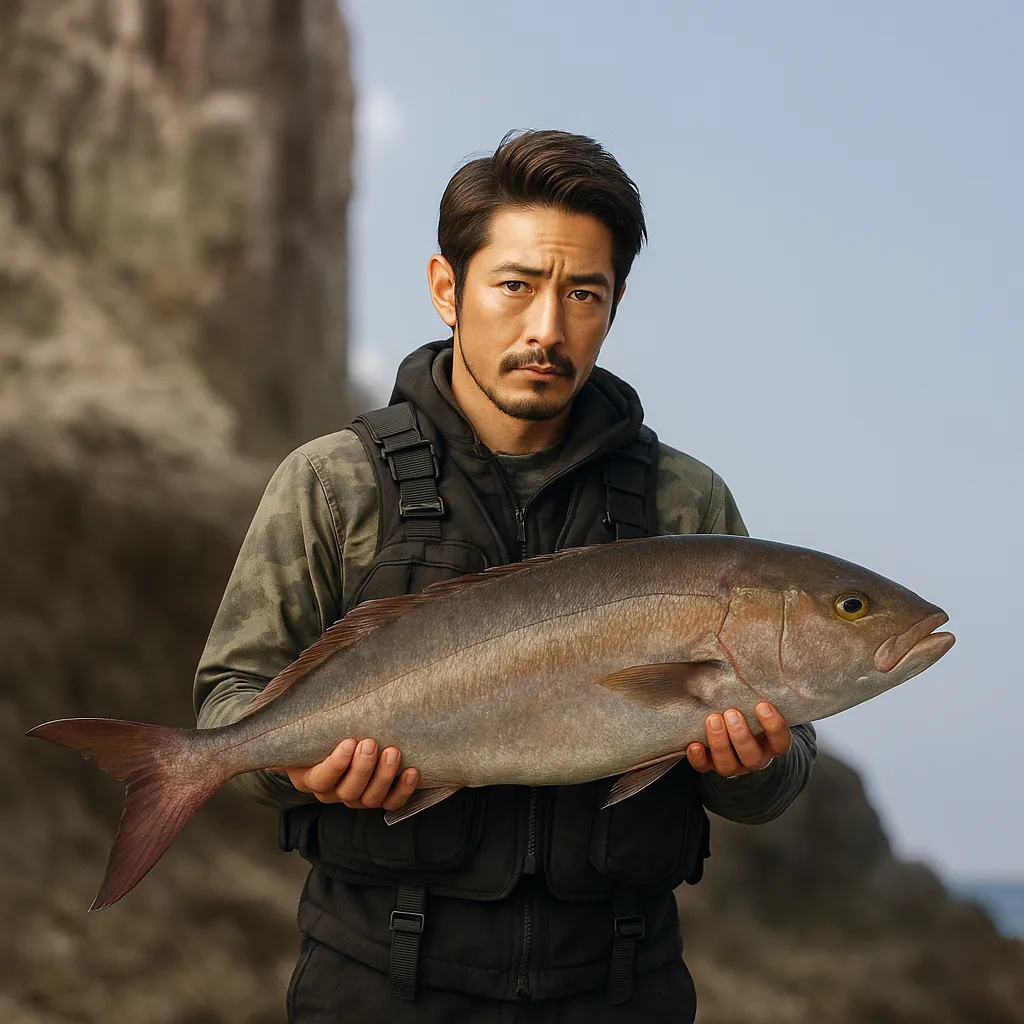
使用タックル情報
- 嶋田仁正さんが八代海,獅子島で使用したタックル🐭
- 対象魚:シーバス,マダイ 釣り場:八代海,獅子島 使用ルアー:サイレ***
- 稲垣昌己さんが桜島の筏で使用したタックル🐮
- 対象魚:イシダイ,マダイ 釣り場:桜島の筏
釣果情報
- 【お持ち込み釣果】鴨池海づり公園での釣果です!!
- 日付:2026-10-04 釣り場:鴨池海づり公園 魚種:ヒラアジ マダイ 釣法:- 情報源:ポイント
- 錦江湾で真鯛リベンジ|釣れなくてもいい、のんびり海
- 日付:2026-09-23 釣り場:錦江湾 魚種:マダイ 釣法:- 情報源:おやじの気まぐれ日和(YouTube)
- 鴨池海づり公園(9月22日釣果)
- 日付:2026-09-23 釣り場:鴨池海づり公園 魚種:アラカブ アジ カサゴ アイゴ チャリコ 釣法:エギング サビキ釣り 情報源:餌木作人の戯言(薩摩烏賊餌木『弾』作者)&慈眼寺めだかのブログ
- 鴨池海づり公園(9月20日釣果)
- 日付:2026-09-21 釣り場:鴨池海づり公園 魚種:ハナダイ カンパチ イサキ マダイ チャリコ 釣法:エギング 情報源:餌木作人の戯言(薩摩烏賊餌木『弾』作者)&慈眼寺めだかのブログ
- 今日の釣果はマダイ7、ハナダイ2、ショウサイフグ1
- 日付:2026-09-13 釣り場:奄美 魚種:マハタ ショウサイフグ マダイ ハナダイ 釣法:- 情報源:琴トオル(X)
- 鴨池海づり公園(8月30日釣果)
- 日付:2026-09-01 釣り場:鴨池海づり公園 魚種:ソウダガツオ マダイ 釣法:エギング 情報源:餌木作人の戯言(薩摩烏賊餌木『弾』作者)&慈眼寺めだかのブログ
- 本日の正徳丸釣行結果 真鯛7枚(黄エビ1、シラサ6
- 日付:2026-08-30 釣り場:- 魚種:青物 マダイ 釣法:- 情報源:ナマコ汁(X)